


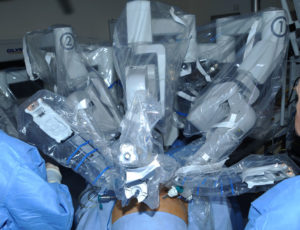


Laparoscopic Nephrectomy: A Minimally Invasive Approach to Kidney Surgery
Laparoscopic nephrectomy has revolutionised the field of urology, offering a minimally invasive alternative to traditional open surgery for kidney removal. Whether performed for benign conditions, such as non-functioning kidneys, or for malignant processes, laparoscopic nephrectomy provides significant benefits in terms of patient recovery, surgical precision, and outcomes. This article explores the procedure in detail, highlighting its indications, benefits, and what patients can expect.
What Is Laparoscopic Nephrectomy?
Laparoscopic nephrectomy is a surgical procedure to remove a kidney using small incisions, specialised instruments, and a laparoscope—a thin, flexible tube with a camera and light source. The technique can be utilised for:
- Simple nephrectomy: Removal of a kidney due to benign conditions, such as chronic infection, severe hydronephrosis, or non-functioning kidney.
- Radical nephrectomy: Complete removal of the kidney along with surrounding structures, such as the adrenal gland, fatty tissue, and sometimes lymph nodes, typically for renal cancer.
- Donor nephrectomy: Harvesting a healthy kidney from a living donor for transplantation.
Advantages of Laparoscopic Nephrectomy
Compared to open surgery, laparoscopic nephrectomy offers several advantages:
- Reduced Postoperative Pain: Smaller incisions lead to less trauma to the surrounding tissues, resulting in significantly reduced postoperative pain.
- Shorter Hospital Stay: Most patients can leave the hospital within 2 to 3 days, compared to a week or more for open surgery.
- Faster Recovery: Patients often resume normal activities within 2 to 3 weeks.
- Minimised Scarring: The use of small incisions results in minimal visible scarring, an important cosmetic benefit.
- Lower Risk of Infection and Complications: Smaller wounds mean a reduced risk of wound infections and hernias.
Indications for Laparoscopic Nephrectomy
The procedure is indicated for a wide range of conditions, including:
- Localised renal tumours (stage T1 or T2 cancers)
- Non-functioning or poorly functioning kidneys due to obstruction, reflux nephropathy, or severe infections
- Renovascular hypertension caused by irreparably damaged kidneys
- Polycystic kidney disease (in selected cases)
- Living kidney donation
The Procedure
Laparoscopic nephrectomy is typically performed under general anaesthesia and involves the following steps:
- Patient Positioning: The patient is positioned on their side with the kidney to be removed facing upwards.
- Creation of Access Ports: Small incisions are made in the abdomen or flank, through which trocars (hollow tubes) are inserted to provide access for the laparoscope and instruments.
- Dissection: The kidney is carefully dissected from surrounding tissues using advanced energy devices to minimise bleeding.
- Clamping and Division: The renal artery and vein are clamped and divided. In cases of radical nephrectomy, the adrenal gland and surrounding fat are also removed.
- Extraction: The kidney is placed in a retrieval bag and removed through one of the small incisions, which may be slightly enlarged if necessary.
What to Expect Post-Surgery
After a laparoscopic nephrectomy, patients can expect:
- Mild Pain and Discomfort: Easily managed with oral analgesics.
- Early Mobilisation: Walking is encouraged on the same day or the day after surgery to prevent blood clots and promote healing.
- Dietary Resumption: Normal diet is typically resumed within 24 hours.
- Follow-Up: Regular follow-ups ensure optimal recovery and address any concerns.
Risks and Complications
As with any surgery, laparoscopic nephrectomy carries risks, including:
- Bleeding
- Infection
- Injury to surrounding organs, such as the bowel or spleen
- Rare conversion to open surgery due to complications
However, the overall risk profile is low, and serious complications are uncommon.
Conclusion
Laparoscopic nephrectomy represents a significant advancement in kidney surgery, offering patients a safer and more comfortable alternative to open procedures. As technology continues to improve, outcomes for this minimally invasive approach are expected to become even better. If you or a loved one requires kidney surgery, consult a urologist with expertise in laparoscopic techniques to discuss the best options for care.