



Understanding Robot-Assisted Partial Nephrectomy for Renal Tumours
Advancements in medical technology have revolutionised how we approach the treatment of renal tumours, with robot-assisted partial nephrectomy (RAPN) standing out as a highly effective and minimally invasive option. As a urologist, I’m excited to share insights into this groundbreaking procedure, its benefits, and what patients can expect.
What Is Robot-Assisted Partial Nephrectomy?
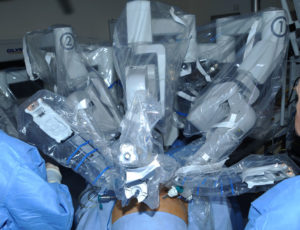
A robot-assisted partial nephrectomy involves using robotic surgical systems to remove a portion of the kidney affected by a tumour while preserving the healthy kidney tissue. This technique is typically performed for small to medium-sized renal tumours and is particularly beneficial in maintaining kidney function, especially for patients with pre-existing kidney issues or those at risk of kidney disease.
The robotic system provides surgeons with enhanced precision, superior visualisation, and greater dexterity compared to traditional laparoscopic or open surgery techniques. These advantages contribute to improved surgical outcomes and faster patient recovery.
Why Opt for Partial Nephrectomy?
In the past, nephrectomy (complete removal of the kidney) was the standard treatment for renal tumours. However, we now understand the importance of nephron-sparing surgery (NSS). Preserving as much kidney tissue as possible reduces the risk of chronic kidney disease (CKD) and its associated complications.
Partial nephrectomy is the preferred option for:
- Small renal masses (<4 cm, also known as T1a tumours)
- Selected medium-sized tumours (4-7 cm, T1b)
- Patients with a single kidney
- Patients with bilateral renal tumours
- Those with pre-existing kidney dysfunction
Benefits of Robot-Assisted Surgery
RAPN offers several advantages over traditional surgical approaches:
- Minimally Invasive: Smaller incisions reduce postoperative pain, scarring, and infection risks.
- Enhanced Precision: The robotic system allows for meticulous dissection and tumour removal while preserving healthy kidney tissue and blood vessels.
- Reduced Blood Loss: Advanced technology minimises intraoperative bleeding, reducing the need for blood transfusions.
- Quicker Recovery: Shorter hospital stays and faster return to daily activities.
- Improved Outcomes: High tumour control rates and excellent preservation of kidney function.
The Procedure
- Preoperative Assessment: Before surgery, patients undergo imaging studies such as CT or MRI to determine tumour size, location, and complexity. Blood tests and kidney function tests are also performed.
- Surgical Process:
- Under general anaesthesia, small incisions are made in the abdomen.
- The robotic arms are inserted, equipped with specialised instruments.
- Using high-definition 3D imaging, the surgeon removes the tumour while sparing healthy tissue.
- The kidney is reconstructed, ensuring optimal blood flow and functionality.
- Postoperative Care:
- Patients typically stay in the hospital for 1-2 days.
- Recovery includes avoiding heavy lifting for several weeks and attending follow-up visits to monitor kidney function and overall health.
Risks and Considerations
While RAPN is generally safe, all surgeries carry some risks. Potential complications include:
- Bleeding
- Infection
- Urine leaks from the kidney repair site
- Rarely, damage to surrounding organs or the need for a complete nephrectomy if complications arise.
Selecting an experienced surgeon and a multidisciplinary care team significantly reduces these risks.
Who Is a Candidate?
Not all patients are suitable for RAPN. Factors influencing eligibility include:
- Tumour size and location
- Overall health and comorbidities
- Presence of multiple tumours
A thorough evaluation ensures the best treatment approach tailored to each patient’s needs.
Conclusion
Robot-assisted partial nephrectomy represents a major step forward in the treatment of renal tumours, combining state-of-the-art technology with nephron-sparing principles. Patients benefit from improved outcomes, reduced recovery times, and a better quality of life post-surgery.
If you have been diagnosed with a renal tumour or wish to learn more about treatment options, consult a qualified urologist. Together, we can explore the best path to preserving your health and well-being.