


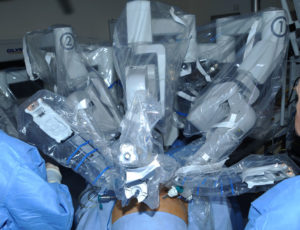



Robotic surgery has transformed the field of urology, offering unprecedented precision, minimal invasiveness, and enhanced patient outcomes. This blog delves into the various facets of robotic urological surgery, exploring its advantages, applications, and the future it holds.
A Brief History of Robotic Surgery
The journey of robotic surgery began in the late 20th century, with advancements in computer technology paving the way. The da Vinci Surgical System, introduced in the early 2000s, became the cornerstone of robotic-assisted surgeries. Its entry into urology marked a new era in the management of complex conditions, particularly prostate cancer.
Why Robotic Surgery?
Robotic surgery offers numerous benefits over traditional open and laparoscopic techniques. Key advantages include:
- Precision: The robotic arms filter out hand tremors, enabling surgeons to perform delicate procedures with high accuracy.
- 3D Visualisation: The high-definition 3D camera provides a magnified view of the operative field, enhancing the surgeon’s ability to identify and preserve critical structures.
- Minimally Invasive: Smaller incisions mean reduced blood loss, lower risk of infection, and faster recovery times for patients.
- Ergonomics: Surgeons operate from a console, reducing physical strain and improving focus during lengthy procedures.
Applications in Urology
Robotic surgery has a wide range of applications in urology, including:
1. Prostatectomy
Radical prostatectomy for prostate cancer is one of the most common robotic procedures. The precision of robotic systems helps preserve the neurovascular bundles, crucial for maintaining continence and erectile function post-surgery.
2. Partial Nephrectomy
For patients with kidney tumours, robotic-assisted partial nephrectomy allows the surgeon to excise the tumour while sparing healthy kidney tissue, preserving renal function.
3. Pyeloplasty
Robotic pyeloplasty is performed to correct ureteropelvic junction obstruction, offering superior outcomes with less postoperative pain and quicker recovery.
4. Cystectomy
Radical cystectomy, often with urinary diversion, is performed for bladder cancer. Robotic assistance facilitates complex reconstructions such as neobladder formation.
5. Ureteric Reimplantation
For ureteric strictures or reflux, robotic surgery provides excellent visualisation and precision, ensuring optimal outcomes.
Training and Challenges
Despite its benefits, robotic surgery comes with challenges:
- Learning Curve: Mastering the robotic console requires significant training and experience.
- Cost: Robotic systems are expensive, which can limit accessibility in resource-constrained settings.
- Technical Issues: Equipment malfunctions, though rare, can impact surgery.
Efforts are ongoing to address these challenges through improved training programs, cost-effective robotic platforms, and robust technical support systems.
Patient Experience
From a patient’s perspective, robotic surgery is often associated with:
- Shorter hospital stays
- Reduced pain and scarring
- Faster return to daily activities
- High satisfaction rates due to improved functional and oncological outcomes
The Future of Robotic Urological Surgery
The future of robotic surgery in urology is bright. Innovations on the horizon include:
- Smaller, More Versatile Robots: Compact designs and enhanced manoeuvrability will broaden the scope of robotic applications.
- AI Integration: Artificial intelligence will augment decision-making and provide real-time assistance during surgeries.
- Remote Surgery: Advances in telemedicine may allow surgeons to perform procedures remotely, improving access in underserved areas.
- Enhanced Visualisation: Augmented reality and advanced imaging techniques will further refine surgical precision.
Conclusion
Robotic surgery has undeniably revolutionised the field of urology, offering unmatched precision and improved patient outcomes. While challenges remain, the continuous evolution of technology promises to make these procedures even more accessible and effective. For patients and practitioners alike, the future of urological robotic surgery is one of hope and innovation.