


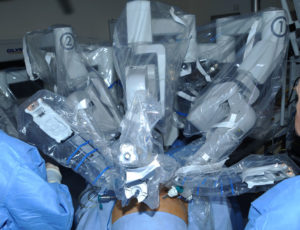


Laparoscopic surgery, often referred to as minimally invasive surgery (MIS), has revolutionised the field of medicine over the past few decades. This technique, which involves small incisions and the use of specialised instruments, has become a cornerstone in many surgical disciplines, including urology. By offering patients quicker recovery times, reduced postoperative pain, and better cosmetic outcomes, laparoscopic surgery has set a new standard for surgical care.
Understanding Laparoscopic Surgery
At its core, laparoscopic surgery utilises a laparoscope—a thin tube equipped with a high-definition camera—to visualise internal organs. The camera transmits images to a monitor, allowing the surgeon to operate with precision using instruments introduced through other small incisions. In comparison to traditional open surgery, which requires larger incisions, laparoscopy minimises trauma to the body’s tissues.
Key Advantages of Laparoscopic Surgery
- Minimally Invasive Approach: Small incisions lead to less tissue damage and scarring.
- Reduced Pain: Patients report significantly less postoperative pain, often requiring fewer analgesics.
- Faster Recovery: Hospital stays are shorter, and patients return to their daily activities more quickly.
- Lower Risk of Infection: Smaller wounds reduce the risk of surgical site infections.
- Enhanced Visualisation: High-definition cameras offer magnified views of the surgical field, allowing for precise dissection and suturing.
Applications in Urology
Urology has been at the forefront of adopting laparoscopic techniques, given the complexity and delicacy of the organs involved. From renal surgeries to prostate interventions, laparoscopy has transformed urological care.
- Laparoscopic Nephrectomy: One of the earliest and most successful applications in urology, laparoscopic nephrectomy involves the removal of a diseased or cancerous kidney. This procedure significantly reduces patient morbidity compared to open surgery, with faster return to normal renal function and daily activities.
- Pyeloplasty: For patients with ureteropelvic junction (UPJ) obstruction, laparoscopic pyeloplasty offers a precise and effective solution. The enhanced visualisation ensures meticulous reconstruction of the affected area.
- Prostate Surgery: While robotic-assisted techniques have become prevalent, laparoscopic prostatectomy remains a viable option for the treatment of localised prostate cancer. It provides excellent cancer control and continence outcomes.
- Adrenalectomy: The removal of adrenal tumours is another area where laparoscopy shines. The minimally invasive approach is particularly beneficial for benign lesions, reducing recovery times.
- Lymph Node Dissection: In certain urological cancers, such as testicular cancer, laparoscopic retroperitoneal lymph node dissection (RPLND) is a minimally invasive alternative to open surgery, offering comparable oncological outcomes.
Innovations and Challenges
While laparoscopic surgery has achieved remarkable success, it is not without challenges. The steep learning curve, dependence on specialised equipment, and longer operative times (in the hands of less experienced surgeons) are hurdles that need to be addressed. However, continuous advancements in technology—including 3D imaging, improved instrumentation, and training simulators—are helping to overcome these barriers.
The Role of Robotic Assistance
In recent years, robotic-assisted laparoscopic surgery has gained traction, particularly in urology. Systems like the Da Vinci Surgical System enhance the surgeon’s dexterity and precision, allowing for complex procedures such as prostatectomy and partial nephrectomy to be performed with greater ease. While robotic systems build upon laparoscopic principles, the core minimally invasive philosophy remains unchanged.
The Future of Laparoscopic Urology
The future of laparoscopic surgery in urology is bright, with ongoing research aimed at refining techniques and expanding applications. Single-port laparoscopy, natural orifice transluminal endoscopic surgery (NOTES), and augmented reality-assisted surgeries are just a few innovations on the horizon. These advancements promise even less invasive procedures and improved patient outcomes.
Conclusion
Laparoscopic surgery has undoubtedly redefined urological practice, providing patients with safer, more efficient, and less painful surgical options. As technology continues to evolve, the potential of laparoscopic techniques will only grow, ensuring that urology remains at the cutting edge of surgical care.