



Prostate cancer is one of the most common cancers affecting men worldwide. Advances in surgical techniques continue to improve both cancer control and quality of life. One of the most innovative refinements of robot-assisted radical prostatectomy is the Retzius-Sparing approach. This specialised technique has gained international attention for its potential to improve early recovery of urinary continence while maintaining the benefits of minimally invasive robotic surgery.
What Is Retzius-Sparing Robot-Assisted Radical Prostatectomy?
Retzius-Sparing Robot-Assisted Radical Prostatectomy (RS-RARP) is a procedure to remove the prostate gland and surrounding cancerous tissue while preserving the Retzius space — the anatomical area between the pubic bone and bladder.
In traditional approaches to prostatectomy, this space is entered and dissected, which can disrupt structures important for urinary continence. The Retzius-Sparing technique, pioneered in Milan and now adopted worldwide in select centres, avoids this space entirely. By approaching the prostate from behind, surgeons can minimise trauma to the bladder, urethra, and supporting structures.
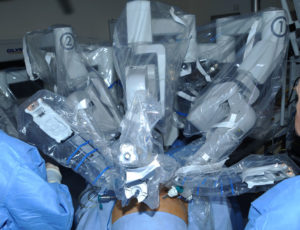
Like standard RARP, the procedure is performed with a robotic system, most commonly the da Vinci Surgical System. The surgeon controls robotic instruments with enhanced precision, dexterity, and 3D visualisation.
Benefits of RS-RARP
Retzius-Sparing RARP offers all the benefits of conventional robot-assisted radical prostatectomy, with additional functional advantages:
- Minimally Invasive: Performed laparoscopically through small incisions, reducing pain and accelerating recovery.
- Enhanced Continence Recovery: By preserving the Retzius space and bladder support structures, patients often regain urinary control sooner.
- Preservation of Sexual Function: The nerve-sparing potential is equivalent to conventional RARP, helping maintain erectile function when feasible.
- Improved Postoperative Comfort: Avoiding the Retzius space may reduce postoperative discomfort and catheter-related symptoms.
- Equivalent Cancer Control: Oncological outcomes are comparable to standard RARP, making this a safe option for many men with localised prostate cancer.
Who Is a Candidate for RS-RARP?
RS-RARP is suitable for many men with localised prostate cancer, particularly those prioritising early recovery of continence. Suitability depends on tumour location, stage, prior surgeries, and individual anatomy. A comprehensive preoperative assessment by an experienced urologist is essential to determine eligibility.
The Surgical Journey
- Preoperative Assessment: As with standard RARP, patients undergo scans, blood tests, and counselling on risks and benefits.
- The Procedure: Under general anaesthesia, the surgeon approaches the prostate from behind, carefully removing the gland and, if indicated, surrounding lymph nodes.
- Postoperative Care: Patients are mobilised within hours and typically return home within 24–48 hours. Catheter removal is usually within 7–10 days. Many men experience an earlier return of continence compared with conventional RARP.
- Follow-Up: PSA levels are monitored, and functional recovery is reviewed during regular postoperative visits.
Outcomes and Considerations
Clinical studies and real-world data suggest that RS-RARP may provide faster urinary continence recovery while maintaining comparable cancer control to standard RARP. As with all prostate cancer surgery, risks include infection, bleeding, incontinence, and erectile dysfunction. Outcomes are strongly influenced by surgeon experience and patient factors.
The Future of Prostate Cancer Surgery
Retzius-Sparing RARP represents a major step forward in refining prostate cancer surgery. By combining the precision of robotic technology with an anatomy-preserving approach, this technique aims to deliver both effective cancer treatment and enhanced quality of life.
If you or a loved one is facing a prostate cancer diagnosis, discussing the Retzius-Sparing approach with your healthcare provider may help you make an informed decision that aligns with your treatment goals.
Disclaimer: This blog post is for informational purposes only and should not replace professional medical advice. Always consult with a qualified healthcare provider regarding your treatment options.