



Understanding Uro-Oncology: A Comprehensive Overview
Uro-oncology, a sub-speciality of urology, focuses on the diagnosis, treatment, and management of cancers affecting the urinary system and male reproductive organs. This includes cancers of the prostate, bladder, kidneys, testicles, and ureters. As a field that intersects with oncology, uro-oncology requires a deep understanding of both surgical and non-surgical treatment modalities, including radiotherapy, chemotherapy, and emerging therapies like immunotherapy.
Common Urological Cancers and Their Management
- Prostate Cancer Prostate cancer is the most common malignancy in men and a leading cause of cancer-related mortality. Advances in diagnostics, such as prostate-specific antigen (PSA) testing and multiparametric MRI, have improved early detection. Treatment options range from active surveillance for low-risk cases to radical prostatectomy, radiotherapy, and systemic therapies for advanced disease.
- Bladder Cancer Bladder cancer, often associated with smoking and industrial exposures, can range from superficial tumours to invasive malignancies. Treatments include transurethral resection, intravesical therapies, radical cystectomy, and chemotherapy.
- Kidney Cancer Kidney cancer, predominantly renal cell carcinoma, often presents as an incidental finding during imaging for unrelated conditions. Surgical options, such as partial or radical nephrectomy, remain the mainstay of treatment, complemented by targeted therapies and immunotherapy for metastatic disease.
- Testicular Cancer Affecting predominantly younger men, testicular cancer has one of the highest cure rates among cancers. Orchiectomy, followed by chemotherapy or radiotherapy, depending on the histological subtype, constitutes standard treatment.
The Role of Multidisciplinary Teams (MDTs) in Uro-Oncology
The complexity of cancer care demands a collaborative approach to ensure optimal outcomes. Multidisciplinary teams (MDTs) are integral to uro-oncology, bringing together diverse expertise to create patient-centred treatment plans.
Key Members of an MDT in Uro-Oncology:
- Urologists: Lead in diagnosing and surgically managing urological cancers.
- Oncologists: Provide expertise in chemotherapy, radiotherapy, and systemic treatments.
- Radiologists: Play a critical role in imaging for diagnosis, staging, and monitoring treatment response.
- Pathologists: Provide definitive cancer diagnoses and grading through tissue analysis.
- Specialist Nurses: Offer patient education, support, and care coordination.
- Physiotherapists and Occupational Therapists: Address post-treatment rehabilitation and quality of life.
- Palliative Care Specialists: Ensure symptom control and holistic support for advanced cases.
Benefits of an MDT Approach:
- Holistic Patient Care: MDTs consider the physical, emotional, and social aspects of a patient’s health.
- Enhanced Decision-Making: Collaboration ensures that treatment plans are evidence-based and tailored to individual patient needs.
- Streamlined Care Pathways: Coordinated efforts reduce delays in treatment initiation and enhance communication across specialities.
Innovations in Uro-Oncology
The field of uro-oncology is dynamic, with ongoing research driving innovation:
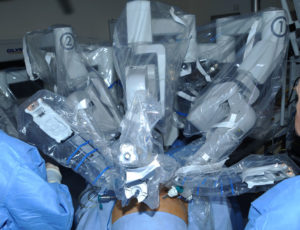
- Robotic-Assisted Surgery: Provides precision in procedures like radical prostatectomy and nephrectomy, reducing recovery times and improving functional outcomes.
- Immunotherapy: Drugs such as checkpoint inhibitors are revolutionising the treatment of advanced bladder and kidney cancers.
- Genomic Medicine: Advances in genetic testing are enabling personalised treatment approaches, especially in prostate cancer.
- Minimally Invasive Techniques: Improved imaging and ablation technologies are offering non-surgical options for select cases.
The Future of Uro-Oncology
As technology advances and our understanding of cancer biology deepens, the future of uro-oncology looks promising. Enhanced screening tools, biomarkers for personalised therapy, and novel treatments are expected to further improve patient outcomes. The integration of artificial intelligence into diagnostics and treatment planning may also refine the precision of uro-oncological care.
Uro-oncology exemplifies the intersection of advanced medicine and compassionate care. By leveraging multidisciplinary collaboration and embracing innovation, the speciality continues to make significant strides in improving the lives of patients facing urological cancers.